




Can an inverter be used in a vehicle?
Jan 12, 2026
Leave a message
Can an Inverter be Used in a Vehicle?
As an inverter supplier, I often get asked whether an inverter can be used in a vehicle. The answer is yes, but there are several important considerations to keep in mind. In this blog post, I'll explore the feasibility, benefits, challenges, and types of inverters suitable for vehicle use.
Feasibility of Using an Inverter in a Vehicle
Vehicles, especially modern ones, are equipped with electrical systems that can support the operation of an inverter. Most cars, trucks, and RVs have a 12 - volt DC electrical system. An inverter is a device that converts direct current (DC) from the vehicle's battery into alternating current (AC), which is the type of electricity used by most household appliances and electronic devices.
The basic principle behind using an inverter in a vehicle is relatively straightforward. The inverter takes the DC power from the vehicle's battery and uses electronic circuits to transform it into AC power at a standard voltage (usually 110V or 220V, depending on the region). This allows you to plug in and use devices such as laptops, smartphones, small TVs, and even power tools while on the go.
Benefits of Using an Inverter in a Vehicle
- Convenience: One of the primary benefits of using an inverter in a vehicle is the convenience it offers. Whether you're on a long road trip, camping, or working from your vehicle, you can easily power your electronic devices. For example, you can keep your laptop charged to catch up on work or watch a movie on your tablet during a break.
- Emergency Power: In case of an emergency, such as a power outage at home or on the road, a vehicle - mounted inverter can provide a source of power. You can use it to run essential devices like a small refrigerator to keep medicine cold or a fan to stay cool.
- Enhanced Functionality for RVs and Campers: For RV owners and campers, an inverter can significantly enhance the functionality of their vehicles. It allows them to use all the comforts of home, such as a microwave, coffee maker, or air conditioner, even when they're not connected to shore power.
Challenges of Using an Inverter in a Vehicle
- Battery Drain: One of the biggest challenges of using an inverter in a vehicle is the potential for battery drain. Inverters draw power from the vehicle's battery, and if used for an extended period or with high - power devices, they can quickly deplete the battery. This can lead to a dead battery and leave you stranded. To mitigate this issue, it's important to choose an inverter with the appropriate power rating and to monitor the battery's charge level.
- Overheating: Inverters generate heat during operation, especially when they're powering high - wattage devices. If the inverter is not properly ventilated, it can overheat, which can damage the inverter and potentially pose a fire hazard. It's crucial to install the inverter in a well - ventilated area and to follow the manufacturer's guidelines for heat dissipation.
- Compatibility Issues: Not all devices are compatible with vehicle inverters. Some sensitive electronic devices, such as certain medical equipment or high - end audio systems, may require a pure sine wave inverter to function properly. Modified sine wave inverters, which are more common and less expensive, may cause interference or damage to these devices.
Types of Inverters Suitable for Vehicle Use
- Modified Sine Wave Inverters: Modified sine wave inverters are the most common type of inverters used in vehicles. They are relatively inexpensive and can power most basic electronic devices, such as laptops, smartphones, and small TVs. However, as mentioned earlier, they may not be suitable for all devices, especially those that are sensitive to the quality of the AC power.
- Pure Sine Wave Inverters: Pure sine wave inverters produce a high - quality AC power that is almost identical to the power supplied by the electrical grid. They are more expensive than modified sine wave inverters but are suitable for a wider range of devices, including sensitive electronics, motors, and appliances. If you plan to use high - end or sensitive devices in your vehicle, a pure sine wave inverter is the better choice.
Examples of Inverters for Vehicle Use
If you're in the market for an inverter for your vehicle, here are some examples of inverters that are suitable for different applications:
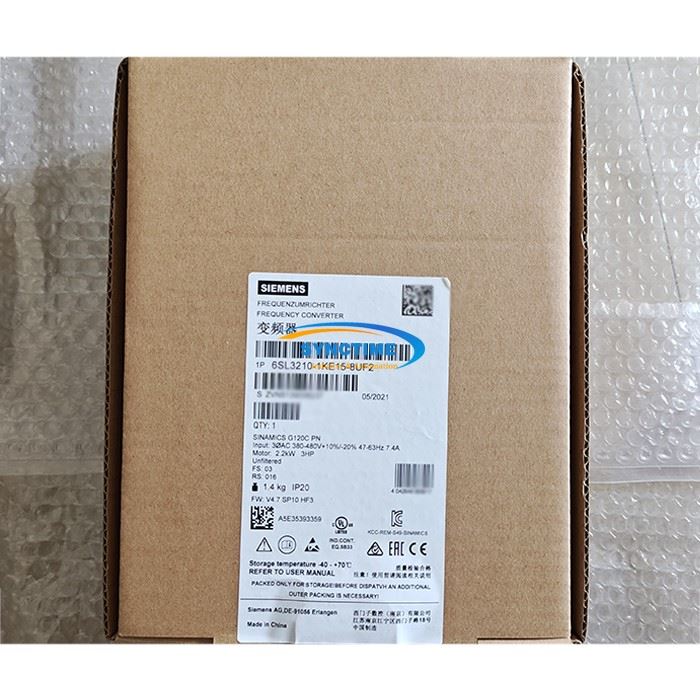
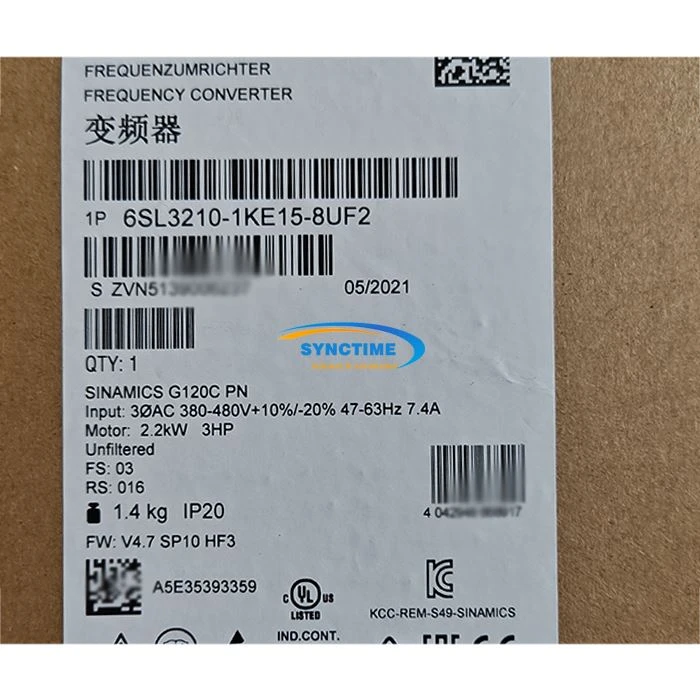
- 6SL3210 - 1KE15 - 8UF2 Frequency Converter 2.2kw Siemens: This is a high - quality inverter that can handle relatively high - power loads. It's suitable for use in larger vehicles or for powering more demanding devices.
- 22C - D038A103 Frequency Inverter 18.5kw: This inverter is designed for more heavy - duty applications. It can power large appliances and equipment, making it a good choice for RVs and commercial vehicles.
- FR - E720 - 5.5K FR - E720 - 7.5K Inverter: These inverters are known for their reliability and efficiency. They are suitable for a variety of applications, from powering small electronics to running medium - sized appliances.
Choosing the Right Inverter for Your Vehicle
When choosing an inverter for your vehicle, there are several factors to consider:
- Power Rating: The power rating of the inverter is measured in watts. You need to choose an inverter with a power rating that is sufficient to handle the devices you want to use. Make sure to calculate the total wattage of all the devices you plan to use simultaneously and choose an inverter with a higher power rating to account for any power surges.
- Type of Inverter: As mentioned earlier, you need to decide whether a modified sine wave or pure sine wave inverter is right for your needs. If you're using sensitive devices, a pure sine wave inverter is recommended.
- Installation and Mounting: Consider how and where you will install the inverter in your vehicle. It should be installed in a secure and well - ventilated location, away from heat sources and moisture.
Conclusion
In conclusion, an inverter can be a valuable addition to your vehicle, providing convenience, emergency power, and enhanced functionality. However, it's important to understand the challenges and limitations associated with using an inverter in a vehicle and to choose the right inverter for your specific needs.
If you're interested in purchasing an inverter for your vehicle or have any questions about our products, we'd love to hear from you. Feel free to reach out to us to discuss your requirements and start a procurement negotiation. We have a wide range of high - quality inverters to suit different applications and budgets.
References
- "Automotive Electrical Systems" by Thomas D. Gough
- Manufacturer's manuals for various inverter models
Send Inquiry