




How to measure the diameter of a cylinder accurately?
Sep 10, 2025
Leave a message
Hey there! As a cylinder supplier, I often get asked about how to measure the diameter of a cylinder accurately. It might seem like a simple task, but there are actually quite a few things to consider to get an exact measurement. In this blog, I'll share some practical methods and tips to help you measure cylinder diameters like a pro.
First off, why is it so important to measure the cylinder diameter accurately? Well, in many industries, cylinders are used in precision machinery and equipment. A slight deviation in the diameter can lead to issues like poor fit, reduced efficiency, and even mechanical failures. So, getting an accurate measurement is crucial for ensuring the proper functioning of the cylinders.
Let's start with the basic tools you'll need. The most common tool for measuring cylinder diameters is a caliper. There are two main types of calipers: vernier calipers and digital calipers. Vernier calipers are the traditional type, which use a sliding scale to measure the distance between the jaws. They're reliable and can give you a high level of accuracy. Digital calipers, on the other hand, are more modern and easier to read. They display the measurement on a digital screen, which makes it much quicker to get the result.
When using a caliper to measure the cylinder diameter, make sure the jaws are clean and free of any debris. Open the jaws wide enough to fit around the cylinder, then gently close them until they touch the opposite sides of the cylinder. Make sure the caliper is perpendicular to the axis of the cylinder to get an accurate measurement. If you're using a vernier caliper, read the measurement where the zero on the sliding scale lines up with the main scale. For digital calipers, just read the number on the screen.
Another method to measure the cylinder diameter is by using a micrometer. Micrometers are even more precise than calipers and are often used in industries where high accuracy is required. They work by using a screw mechanism to measure the distance between the anvil and the spindle. To use a micrometer, place the cylinder between the anvil and the spindle, then turn the thimble until the spindle touches the cylinder. Read the measurement on the sleeve and the thimble to get the diameter.
Now, let's talk about some tips to ensure accurate measurements. First, take multiple measurements at different points along the length of the cylinder. Cylinders can have slight variations in diameter due to manufacturing processes or wear and tear. By taking multiple measurements, you can get an average diameter and identify any potential issues. Also, make sure to measure the cylinder at room temperature. Temperature can affect the size of the cylinder, so taking measurements in a controlled environment will give you more accurate results.
If you're dealing with a large cylinder, it might be difficult to use a caliper or a micrometer directly. In this case, you can use a tape measure or a flexible ruler. Wrap the tape measure or ruler around the cylinder and measure the circumference. Then, use the formula C = πd (where C is the circumference and d is the diameter) to calculate the diameter. Keep in mind that this method might not be as accurate as using a caliper or a micrometer, but it can give you a rough estimate.
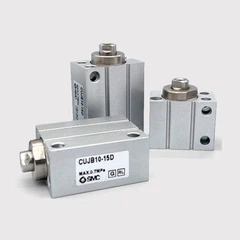
As a cylinder supplier, I offer a wide range of high - quality cylinders, such as the CD85N25 - 200C - B Cylinder, MGPM12 - 100Z Cylinder, and MGPM20 - 125Z Cylinder. These cylinders are designed to meet the highest standards of quality and performance. Whether you're in the automotive, manufacturing, or any other industry, I can provide you with the right cylinder for your needs.
If you're looking to purchase cylinders or have any questions about cylinder measurement, don't hesitate to reach out. I'm here to help you find the best solutions for your business. Whether you need advice on choosing the right cylinder or assistance with measuring the diameter accurately, I've got you covered.


In conclusion, measuring the diameter of a cylinder accurately is essential for ensuring its proper function and performance. By using the right tools and following the tips I've shared, you can get precise measurements every time. And if you're in the market for high - quality cylinders, I'm your go - to supplier.
References
- Machinery's Handbook, 31st Edition
- Introduction to Measurement Systems by Earl Doebelin
Send Inquiry