




What are the applications of flow sensors?
Dec 24, 2025
Leave a message
Yo! As a sensor supplier, I've seen firsthand how flow sensors are revolutionizing various industries. These nifty devices are like the unsung heroes of modern tech, quietly doing their job to keep things running smoothly. So, let's dive into the many applications of flow sensors and see why they're so important.
Industrial Manufacturing
In the world of industrial manufacturing, flow sensors are everywhere. They play a crucial role in monitoring and controlling the flow of liquids and gases in manufacturing processes. For instance, in chemical plants, flow sensors are used to measure the flow of raw materials into reactors. This ensures that the correct amount of each chemical is added, which is essential for producing high - quality products and maintaining safety standards.
Let's say you're making a batch of a particular chemical compound. If too much or too little of a reactant is added, it can lead to a failed reaction or even a dangerous situation. Flow sensors, like our 0J5136 Sensor, can accurately measure the flow rate, allowing for precise control.
In the oil and gas industry, flow sensors are used in pipelines to measure the flow of crude oil, natural gas, and refined products. They help in determining the quantity of the product being transported, detecting leaks, and preventing over - pressurization. For refineries, accurate flow measurement is vital for process optimization and cost control. A malfunctioning flow sensor in an oil pipeline could lead to significant financial losses and environmental hazards.
HVAC Systems
Heating, ventilation, and air - conditioning (HVAC) systems also rely heavily on flow sensors. These sensors are used to measure the flow of air and water in the system. In air handling units, flow sensors measure the volume of air being circulated. This information is used to adjust the fan speed, ensuring that the right amount of fresh air is supplied to the building.
For example, in a large office building, proper ventilation is essential for the health and comfort of the occupants. If the flow of air is too low, it can lead to stuffy air, the spread of germs, and poor indoor air quality. On the other hand, if the air flow is too high, it can waste energy. Flow sensors help maintain the optimal air flow rate, balancing comfort and energy efficiency.
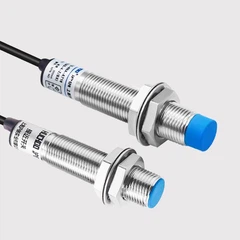
When it comes to water - based HVAC systems, flow sensors measure the flow of chilled water or hot water through the pipes. This helps in controlling the temperature of the building more accurately. Our IL5004 Inductive Sensor can be a great choice for these types of applications, as it can provide reliable and accurate flow measurements.
Medical Equipment
Flow sensors have a wide range of applications in the medical field. In ventilators, they are used to measure the flow of oxygen and air being delivered to the patient. This is critical for patients who have difficulty breathing on their own. The flow sensor ensures that the correct amount of gas is being provided, based on the patient's needs.
In dialysis machines, flow sensors measure the flow of blood and dialysis fluid. This helps in maintaining the proper balance during the dialysis process, which is essential for the patient's health. Any inaccuracy in the flow measurement could have serious consequences for the patient.
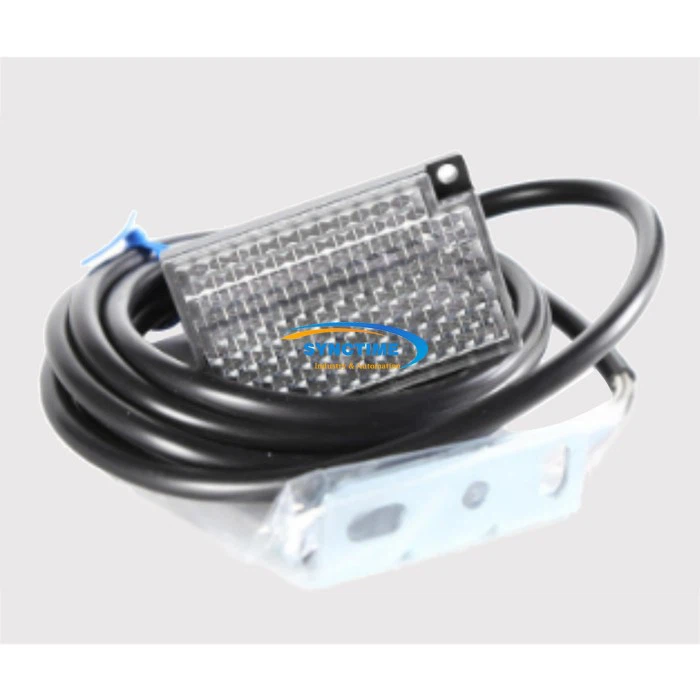
Our E3JK - RR11 - C 2M OMS Sensor can be a reliable option for medical equipment manufacturers. Its high accuracy and reliability make it suitable for these life - critical applications.
Food and Beverage Industry
In the food and beverage industry, flow sensors are used for various purposes. In the production of beverages like beer and soft drinks, flow sensors are used to measure the flow of ingredients such as water, sugar, and flavorings. This ensures that the product has a consistent taste and quality from batch to batch.
During the bottling process, flow sensors are used to control the filling level of each bottle. They measure the flow of the liquid into the bottle and stop the filling process once the correct amount has been dispensed. This not only ensures that the customer gets the right amount of product but also reduces waste.
Automotive Industry
The automotive industry also benefits from flow sensors. In fuel injection systems, flow sensors measure the flow of fuel into the engine. This information is used by the engine control unit (ECU) to adjust the fuel - air mixture, optimizing engine performance and fuel efficiency.
In addition, flow sensors are used in the cooling system of the vehicle. They measure the flow of coolant through the radiator and engine, ensuring that the engine stays at the right operating temperature. If the coolant flow is too low, the engine can overheat, leading to damage.
Environmental Monitoring
Flow sensors are important for environmental monitoring as well. In water treatment plants, they are used to measure the flow of water through various treatment processes. This helps in ensuring that the treatment is effective and that the right amount of chemicals is added to purify the water.

In environmental research, flow sensors can be used to measure the flow of rivers, streams, and groundwater. This data is used to study water resources, predict floods, and understand the movement of pollutants in the water.
Conclusion
As you can see, flow sensors have a wide range of applications across various industries. Their ability to accurately measure the flow of liquids and gases makes them indispensable in modern technology. Whether it's ensuring the safety of a chemical plant, the comfort of a building, or the health of a patient, flow sensors are there to do the job.
If you're in the market for high - quality flow sensors or any other type of sensors, we're here to help. We offer a wide range of sensors that are reliable, accurate, and cost - effective. Whether you need sensors for a small - scale project or a large - scale industrial application, we've got you covered. Reach out to us for a consultation and let's discuss how our sensors can meet your specific needs.
References
- "Industrial Flow Measurement Handbook" by David W. Spitzer
- "HVAC Systems Design Handbook"
- "Medical Device Engineering: Principles and Design" by Joseph D. Bronzino
- "Food and Beverage Processing Technology" by Y.H. Hui
- "Automotive Engineering Fundamentals" by John Heywood
- "Environmental Monitoring and Assessment: A Practical Guide" by R. Murray Lark
Send Inquiry