




What are the electromagnetic compatibility requirements for industrial electronic parts?
Sep 05, 2025
Leave a message
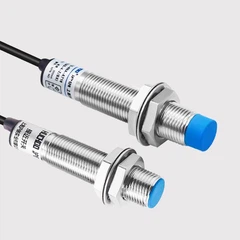
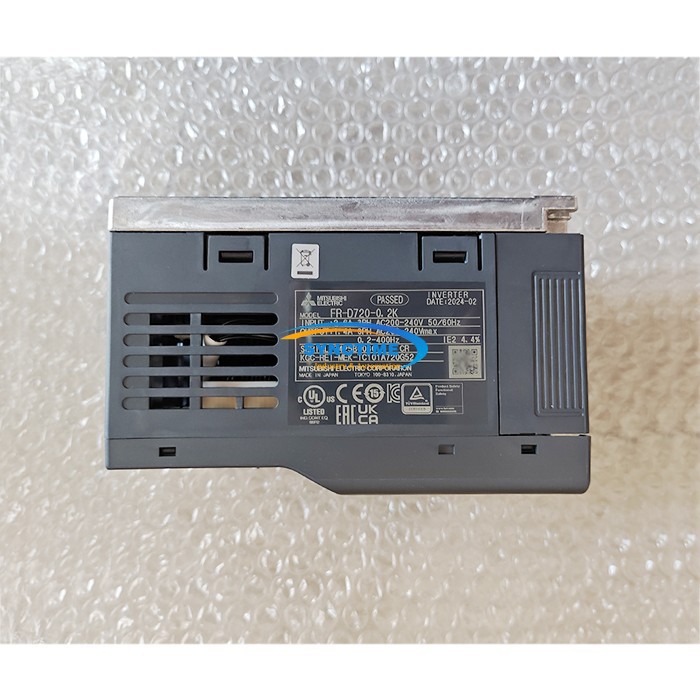
Electromagnetic compatibility (EMC) is a crucial aspect in the realm of industrial electronic parts. As an industrial electronic parts supplier, I've witnessed firsthand the significance of meeting EMC requirements. In this blog, I'll delve into what these requirements are, why they matter, and how our products, such as the 0J5136 Sensor, FR-E720-0.2K FR-E720-0.1K Inverter, and FR-D720-0.2K Inverter 0.2KW, adhere to these standards.
Understanding Electromagnetic Compatibility
Electromagnetic compatibility refers to the ability of electronic devices and systems to function properly in their intended electromagnetic environment without causing or suffering unacceptable electromagnetic interference (EMI). In an industrial setting, there are numerous sources of electromagnetic interference, including motors, generators, power lines, and other electronic equipment. These interferences can disrupt the normal operation of electronic parts, leading to malfunctions, data errors, and even system failures.
There are two main aspects of EMC: electromagnetic interference (EMI) and electromagnetic susceptibility (EMS). EMI is the generation of electromagnetic noise by a device, which can interfere with other nearby devices. On the other hand, EMS is the ability of a device to withstand electromagnetic interference without malfunctioning.
EMC Requirements for Industrial Electronic Parts
International and National Standards
There are several international and national standards that define the EMC requirements for industrial electronic parts. For example, the International Electrotechnical Commission (IEC) has developed a series of standards, such as IEC 61000, which cover various aspects of EMC, including emissions, immunity, and electrostatic discharge. In Europe, the CE marking indicates that a product complies with the relevant EMC directives, such as the EMC Directive 2014/30/EU. In the United States, the Federal Communications Commission (FCC) regulates the electromagnetic emissions of electronic devices.
Specific Requirements for Different Types of Parts
Different types of industrial electronic parts have different EMC requirements. For sensors, such as the 0J5136 Sensor, they need to be able to accurately detect and measure physical quantities in the presence of electromagnetic interference. This requires them to have low electromagnetic emissions and high immunity to external interference. Sensors are often used in harsh industrial environments, where they may be exposed to high levels of electromagnetic noise from motors, power supplies, and other equipment. Therefore, they must be designed and tested to meet strict EMC standards.
Inverters, like the FR-E720-0.2K FR-E720-0.1K Inverter and FR-D720-0.2K Inverter 0.2KW, are another important type of industrial electronic part. They are used to control the speed and torque of electric motors by converting direct current (DC) to alternating current (AC). Inverters can generate significant electromagnetic interference due to the high-frequency switching operations involved in the conversion process. Therefore, they must be designed with proper shielding, filtering, and grounding techniques to reduce their electromagnetic emissions and comply with the relevant EMC standards.
Why EMC Requirements Matter
Ensuring Reliable Operation
Meeting EMC requirements is essential for ensuring the reliable operation of industrial electronic parts. In an industrial environment, a single malfunctioning device can cause a chain reaction, leading to production downtime, quality issues, and even safety hazards. By complying with EMC standards, electronic parts can operate properly in the presence of electromagnetic interference, reducing the risk of malfunctions and improving the overall reliability of the industrial system.
Complying with Regulations
In many countries, it is mandatory for industrial electronic parts to comply with EMC regulations. Failure to meet these requirements can result in legal consequences, including fines and product recalls. Additionally, non-compliant products may not be allowed to enter certain markets, which can have a significant impact on the business of industrial electronic parts suppliers.
Protecting Other Equipment
Industrial electronic parts that generate excessive electromagnetic interference can not only affect their own performance but also interfere with other nearby equipment. By meeting EMC requirements, these parts can minimize their impact on the electromagnetic environment, protecting other electronic devices and systems from interference.

How Our Products Meet EMC Requirements
As an industrial electronic parts supplier, we are committed to providing high-quality products that meet the strictest EMC requirements. Our engineering team uses advanced design techniques and simulation tools to optimize the electromagnetic performance of our products from the early stages of development.
Design and Development
During the design process, we pay close attention to the layout of the printed circuit boards (PCBs) to minimize electromagnetic emissions. We use proper grounding and shielding techniques to isolate sensitive components from electromagnetic interference. Additionally, we select high-quality components that have low electromagnetic noise characteristics.
Testing and Certification
Before our products are released to the market, they undergo rigorous EMC testing in accredited laboratories. We test our products for both emissions and immunity according to the relevant international and national standards. Only products that pass these tests are certified and labeled as compliant with the EMC requirements.
Conclusion
Electromagnetic compatibility is a critical factor in the performance and reliability of industrial electronic parts. As an industrial electronic parts supplier, we understand the importance of meeting EMC requirements and are dedicated to providing products that comply with the highest standards. Our 0J5136 Sensor, FR-E720-0.2K FR-E720-0.1K Inverter, and FR-D720-0.2K Inverter 0.2KW are designed and tested to ensure optimal electromagnetic performance in industrial environments.
If you are in the market for high-quality industrial electronic parts that meet strict EMC requirements, we invite you to contact us for procurement and further discussions. Our team of experts is ready to assist you in finding the right solutions for your specific needs.
References
- International Electrotechnical Commission (IEC). IEC 61000 series of standards.
- European Union. EMC Directive 2014/30/EU.
- Federal Communications Commission (FCC). Regulations on electromagnetic emissions of electronic devices.
Send Inquiry