




What are the types of inverters?
Oct 30, 2025
Leave a message
In the realm of electrical engineering and power management, inverters play a pivotal role. As an inverter supplier, I've witnessed firsthand the diverse applications and types of inverters that are integral to various industries. This blog post aims to explore the different types of inverters, their characteristics, and typical use - cases.
1. Stand - Alone Inverters
Stand - alone inverters are designed to operate independently of the utility grid. They are commonly used in off - grid systems, such as remote homes, cabins, or mobile applications like RVs and boats. These inverters take DC power from sources like batteries and convert it into AC power for use by electrical appliances.
One of the key advantages of stand - alone inverters is their self - sufficiency. They provide power in areas where grid connection is either impossible or impractical. For example, in a remote mountain cabin, a stand - alone inverter can convert the DC power stored in solar batteries into usable AC power for lighting, charging devices, and running small electrical appliances.
However, stand - alone inverters also have their limitations. They require a reliable source of DC power, usually in the form of batteries, which need to be properly maintained and replaced periodically. Additionally, the capacity of stand - alone inverters is often limited, which may not be sufficient for large - scale power requirements. A good example of a stand - alone inverter suitable for small - scale applications is the 6SL3210 - 5BB12 - 5UV1 Inverter 0.25KW. This inverter provides a relatively low power output, making it ideal for charging small devices or powering low - energy LED lights in off - grid setups.
2. Grid - Tie Inverters
Grid - tie inverters are designed to work in conjunction with the utility grid. They convert DC power from renewable energy sources, such as solar panels or wind turbines, into AC power that can be fed back into the grid. These inverters synchronize their output voltage and frequency with the grid, allowing for seamless integration.
The main advantage of grid - tie inverters is that they enable users to take advantage of net metering. When a grid - tie system generates more power than is being consumed on - site, the excess power is sent back to the grid, and the user receives credits on their electricity bill. This makes grid - tie systems a cost - effective way to generate renewable energy.
For instance, a residential solar power system with a grid - tie inverter can significantly reduce the homeowner's electricity costs. During the day, when the sun is shining, the solar panels generate DC power, which is then converted into AC power by the grid - tie inverter and either used in the home or sent to the grid.
However, grid - tie inverters have a major safety feature: they are designed to shut down automatically in the event of a grid outage. This is to prevent the back - feeding of power into the grid, which could endanger utility workers who are trying to repair the grid.
3. Battery - Backup Inverters
Battery - backup inverters combine the features of stand - alone and grid - tie inverters. They are connected to both the utility grid and a battery bank. During normal operation, these inverters can either draw power from the grid or charge the batteries using renewable energy sources.
In the event of a grid outage, battery - backup inverters can switch to battery power and provide AC power to essential loads in the building. This makes them an excellent choice for homes and businesses that require uninterrupted power supply.
For example, a small business with a battery - backup inverter system can continue to operate critical equipment, such as computers and security systems, during a power outage. The FR - E720 - 0.4K Inverter 0.4KW can be used in a battery - backup system for small - scale applications, providing a reliable source of power when the grid fails.
4. Modified Sine Wave Inverters
Modified sine wave inverters are a more affordable option compared to pure sine wave inverters. They produce a waveform that approximates a sine wave but is not as smooth as a pure sine wave.
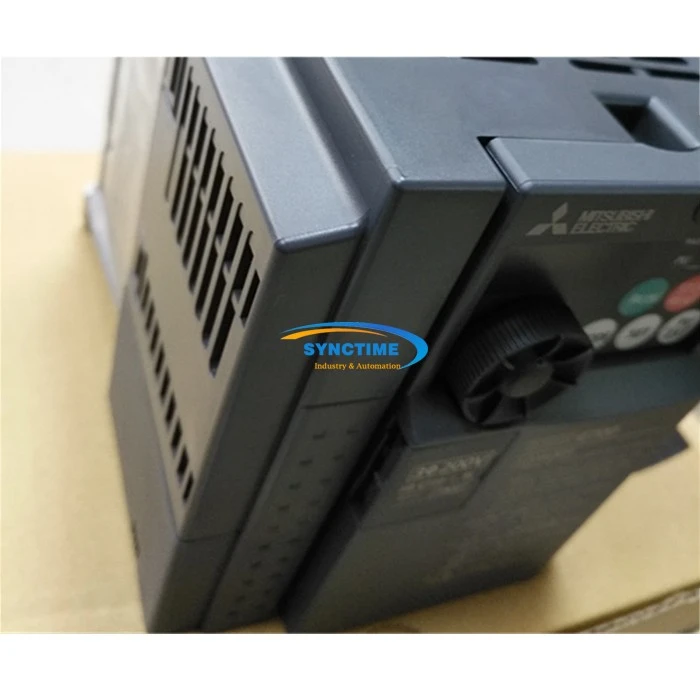

Modified sine wave inverters are suitable for many common electrical appliances, such as incandescent lights, power tools, and some types of motors. However, they may not be suitable for sensitive electronics, such as laptops, televisions, and medical equipment. These devices may experience issues such as overheating, reduced efficiency, or even damage when powered by a modified sine wave inverter.
The main advantage of modified sine wave inverters is their lower cost. They are a popular choice for budget - conscious consumers who need a basic inverter for non - sensitive applications.
5. Pure Sine Wave Inverters
Pure sine wave inverters produce a waveform that is identical to the sine wave provided by the utility grid. This makes them suitable for all types of electrical appliances, including sensitive electronics.
When it comes to powering devices like laptops, smartphones, and high - end audio equipment, pure sine wave inverters are the preferred choice. They ensure that the devices operate smoothly, without any interference or damage.
For industrial applications, pure sine wave inverters are also crucial. They can power precision machinery and control systems, which require a stable and clean power supply. The FR - E720 - 5.5K FR - E720 - 7.5K Inverter is an example of a high - quality pure sine wave inverter that can be used in industrial settings to power large motors and other heavy - duty equipment.
6. Microinverters
Microinverters are a relatively new type of inverter that is installed at each individual solar panel. Unlike traditional string inverters, which are connected to a series of solar panels, microinverters optimize the performance of each panel independently.
This means that if one panel is shaded or not performing well, it does not affect the output of the other panels. Microinverters can increase the overall energy production of a solar power system, especially in situations where shading is a common issue.
Microinverters also offer enhanced safety and monitoring capabilities. They can be monitored individually, allowing users to easily detect and troubleshoot any problems with a specific panel.
7. Central Inverters
Central inverters are large - scale inverters used in utility - scale solar power plants. They are designed to handle high - power inputs from a large number of solar panels.
Central inverters are highly efficient and cost - effective for large - scale applications. They can convert the DC power from thousands of solar panels into AC power that can be fed directly into the grid. However, they are less flexible compared to microinverters, as a single central inverter serves an entire array of panels. If there is a problem with the central inverter, it can affect the entire power plant.
Conclusion
As an inverter supplier, I understand that choosing the right type of inverter is crucial for the success of any power system. Whether you are looking for an off - grid solution, a grid - tie system, or a backup power option, there is an inverter type that suits your needs.
If you are in the process of planning a power system or need to replace an existing inverter, I encourage you to reach out to me. I can provide you with expert advice on the best inverter type for your specific application, as well as information on our wide range of high - quality inverters. Contact me to start a discussion about your inverter requirements and let's work together to find the perfect solution for your power needs.
References
- Chapman, S. J. (2012). Electric Machinery Fundamentals. McGraw - Hill.
- Dorf, R. C., & Bishop, R. H. (2016). Modern Control Systems. Pearson.
- Sudhoff, S. D. (2012). Electric Machines and Drives: A First Course. Wiley.
Send Inquiry