




What is a sensor?
Sep 08, 2025
Leave a message
A sensor is a device that detects and responds to some type of input from the physical environment. The specific input could be light, heat, motion, moisture, pressure, or any one of a great number of other environmental phenomena. The output is generally a signal that is converted to human-readable display at the sensor location or transmitted electronically over a network for reading or further processing.
How Sensors Work
Sensors are essentially the interface between the physical world and the digital world. They operate based on the principle of transduction, which is the conversion of one form of energy into another. For example, a temperature sensor might convert thermal energy into an electrical signal. This electrical signal can then be measured, processed, and interpreted by a microcontroller, computer, or other electronic device.
Let's take a closer look at how a simple light sensor works. A common type of light sensor is the photoresistor, also known as a light - dependent resistor (LDR). The resistance of an LDR changes depending on the amount of light it is exposed to. In the dark, the resistance of an LDR is very high, sometimes in the order of megohms. As light falls on the LDR, the resistance decreases. This change in resistance can be measured as a change in voltage across the LDR in a simple electrical circuit. By calibrating this voltage change, we can determine the intensity of the light.
Types of Sensors
There are countless types of sensors, each designed to detect a specific physical quantity. Here are some of the most common types:
1. Temperature Sensors
Temperature sensors are used to measure the temperature of an object or environment. They are found in a wide range of applications, from home thermostats to industrial process control systems. There are two main types of temperature sensors: thermocouples and resistance temperature detectors (RTDs). Thermocouples work based on the Seebeck effect, which is the generation of an electric current in a circuit composed of two different metals when there is a temperature difference between the two junctions. RTDs, on the other hand, change their electrical resistance with temperature.
2. Pressure Sensors
Pressure sensors measure the pressure of a gas or liquid. They are used in automotive applications (such as measuring tire pressure), in industrial processes (for example, monitoring the pressure in a pipeline), and in medical devices (like blood pressure monitors). Pressure sensors can be based on different principles, such as strain gauges, which change their resistance when subjected to pressure, or piezoelectric materials, which generate an electric charge when pressure is applied.
3. Motion Sensors
Motion sensors are used to detect movement. They are commonly used in security systems, automatic doors, and gaming consoles. There are several types of motion sensors, including passive infrared (PIR) sensors, which detect changes in infrared radiation caused by the movement of a warm - bodied object, and ultrasonic sensors, which use sound waves to detect the presence and movement of objects.
4. Proximity Sensors
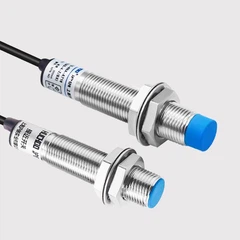
Proximity sensors detect the presence of an object without physical contact. They are used in a variety of applications, such as in mobile phones (to detect when the phone is close to your ear), in robotics (to avoid collisions), and in manufacturing (to detect the presence of parts on a conveyor belt). One type of proximity sensor is the inductive sensor. An IL5004 Inductive Sensor is a prime example. It works by generating an electromagnetic field and detecting changes in this field caused by the presence of a metal object.
Applications of Sensors
Sensors have a vast number of applications across different industries:


1. Automotive Industry
In the automotive industry, sensors are used for a variety of purposes. For example, airbag sensors detect sudden deceleration and trigger the deployment of airbags. Wheel speed sensors are used in anti - lock braking systems (ABS) to monitor the speed of each wheel and prevent the wheels from locking up during braking. Engine sensors, such as oxygen sensors, measure the amount of oxygen in the exhaust gas and help the engine control unit (ECU) adjust the fuel - air mixture for optimal performance and reduced emissions.
2. Healthcare Industry
Sensors play a crucial role in the healthcare industry. Wearable sensors, such as fitness trackers, can monitor heart rate, steps taken, and sleep patterns. In hospitals, sensors are used in patient monitoring systems to measure vital signs like blood pressure, temperature, and oxygen saturation. Implantable sensors are also being developed for continuous monitoring of glucose levels in diabetic patients.
3. Environmental Monitoring
Sensors are used to monitor the environment. For example, air quality sensors can measure the concentration of pollutants such as particulate matter, carbon monoxide, and nitrogen dioxide in the air. Water quality sensors can detect the presence of contaminants in water, such as heavy metals and bacteria. These sensors help in environmental protection and in ensuring the safety of drinking water.
Our Sensor Offerings
As a sensor supplier, we offer a wide range of high - quality sensors to meet the diverse needs of our customers. Our product portfolio includes the IL5004 Inductive Sensor, which is known for its high reliability and accurate detection of metal objects. We also have the 0J5136 Sensor, a versatile sensor suitable for various industrial applications. Another popular product is the IE5338 Sensor, which offers excellent performance in harsh environments.
Our sensors are designed and manufactured using the latest technology and high - quality materials. We ensure that each sensor undergoes rigorous testing to meet the highest standards of quality and performance. Whether you need sensors for automotive, healthcare, environmental monitoring, or any other application, we have the right solution for you.
Why Choose Our Sensors
- Quality Assurance: We have a strict quality control process in place to ensure that all our sensors are of the highest quality. This means you can rely on our sensors to perform accurately and consistently over time.
- Technical Support: Our team of experienced engineers is always ready to provide technical support. Whether you have questions about sensor installation, calibration, or troubleshooting, we can help.
- Customization: We understand that different customers may have different requirements. That's why we offer customization services. We can modify our existing sensors or develop new sensors according to your specific needs.
Contact Us for Procurement
If you are interested in purchasing our sensors, we encourage you to contact us for a detailed discussion. Our sales team will be happy to provide you with more information about our products, pricing, and delivery options. We believe that our sensors can add value to your projects and applications, and we look forward to establishing a long - term partnership with you.
References
- Doebelin, E. O., & Sheingold, D. H. (2003). Measurement systems: Application and design. Wiley.
- Kuo, B. C. (2002). Automatic control systems. Wiley.
- Fraden, J. (2010). Handbook of modern sensors: Physics, designs, and applications. Springer.
Send Inquiry