




What is the backlash of an encoder?
Dec 15, 2025
Leave a message
As an encoder supplier, I've witnessed firsthand the critical role encoders play in various industrial applications. Encoders are essential components that convert motion into an electrical signal, providing valuable feedback for precise control and monitoring. However, like any technology, encoders are not without their challenges, and one such issue is encoder backlash.
Understanding Backlash in Encoders
Backlash in an encoder refers to the amount of play or lost motion between the input and output of the encoder system. This phenomenon can occur due to several factors, including mechanical wear, manufacturing tolerances, and improper installation. When backlash is present, there is a delay or discrepancy between the actual position of the moving part and the position indicated by the encoder, which can lead to inaccurate measurements and reduced system performance.
Mechanical Wear and Backlash
Over time, the mechanical components of an encoder, such as gears, bearings, and shafts, can experience wear and tear. This wear can cause the clearances between the moving parts to increase, resulting in backlash. For example, in a gear-driven encoder, worn gear teeth can lead to a loss of engagement between the gears, causing the encoder to misread the position of the rotating shaft.
Manufacturing Tolerances
During the manufacturing process, there are inherent tolerances in the dimensions and alignment of the encoder components. These tolerances can contribute to backlash, especially if they are not within the specified limits. For instance, if the bearings in an encoder are slightly misaligned, it can cause the shaft to wobble, leading to inaccurate position readings.
Improper Installation
Incorrect installation of an encoder can also introduce backlash into the system. If the encoder is not properly aligned with the rotating shaft or if the mounting bolts are not tightened correctly, it can cause the encoder to move slightly during operation, resulting in a loss of accuracy. Additionally, if the encoder is installed in a harsh environment with excessive vibrations or temperature variations, it can accelerate the wear of the mechanical components and increase the likelihood of backlash.
Effects of Backlash on Encoder Performance
The presence of backlash in an encoder can have several negative effects on the performance of the overall system. These effects can range from minor inaccuracies to significant system failures, depending on the severity of the backlash and the specific application.
Reduced Accuracy
One of the most obvious effects of backlash is reduced accuracy. When there is play in the encoder system, the position readings may not accurately reflect the actual position of the moving part. This can lead to errors in control systems, resulting in poor product quality, increased scrap rates, and reduced productivity. For example, in a robotic arm application, backlash in the encoder can cause the arm to overshoot or undershoot the desired position, leading to inaccurate assembly or machining operations.
Increased Noise and Vibration
Backlash can also cause increased noise and vibration in the system. As the encoder moves back and forth within the play range, it can create mechanical noise and vibration, which can be transmitted throughout the system. This can not only be annoying but also affect the performance of other components in the system. For instance, in a machine tool application, excessive noise and vibration can cause tool wear, reduced surface finish quality, and even damage to the workpiece.
System Instability
In some cases, backlash can lead to system instability. When the control system tries to compensate for the backlash, it can introduce oscillations or hunting, which can cause the system to become unstable. This can be particularly problematic in applications where precise control is required, such as in aerospace or medical equipment. For example, in a flight control system, instability due to encoder backlash can compromise the safety of the aircraft.
Detecting and Measuring Backlash
Detecting and measuring backlash in an encoder is an important step in ensuring the proper performance of the system. There are several methods that can be used to detect and measure backlash, depending on the type of encoder and the specific application.
Visual Inspection
One of the simplest methods of detecting backlash is through visual inspection. By carefully examining the encoder and its mechanical components, it may be possible to identify signs of wear, misalignment, or damage that could be causing the backlash. For example, if the gears in a gear-driven encoder are worn or damaged, it may be visible to the naked eye.
Static Testing
Static testing involves measuring the position of the encoder with the system at rest. By applying a known torque or force to the rotating shaft and measuring the corresponding change in position indicated by the encoder, it is possible to determine the amount of backlash in the system. This method is relatively simple and can provide a rough estimate of the backlash.
Dynamic Testing
Dynamic testing involves measuring the position of the encoder while the system is in motion. By using a high-speed data acquisition system, it is possible to capture the position readings of the encoder at regular intervals and analyze the data to determine the amount of backlash. This method is more accurate than static testing but requires more sophisticated equipment and expertise.
Minimizing Backlash in Encoders
Once the backlash in an encoder has been detected and measured, the next step is to minimize it to ensure the proper performance of the system. There are several strategies that can be used to minimize backlash, including proper selection of encoder components, regular maintenance, and correct installation.
Selecting High-Quality Encoder Components
One of the most effective ways to minimize backlash is to select high-quality encoder components. When choosing an encoder, it is important to consider factors such as the accuracy, resolution, and repeatability of the encoder, as well as the quality of the mechanical components. For example, encoders with precision gears and bearings are less likely to experience backlash than those with lower-quality components.
Regular Maintenance
Regular maintenance is essential for minimizing backlash in encoders. By performing routine inspections, lubrication, and adjustment of the encoder components, it is possible to detect and correct any issues before they become major problems. For example, regularly checking the alignment of the encoder shaft and tightening the mounting bolts can help prevent backlash caused by improper installation.
Correct Installation
Proper installation of the encoder is crucial for minimizing backlash. When installing an encoder, it is important to follow the manufacturer's instructions carefully and ensure that the encoder is properly aligned with the rotating shaft. Additionally, it is important to use the correct mounting hardware and torque specifications to prevent the encoder from moving during operation.
Conclusion
As an encoder supplier, I understand the importance of minimizing backlash in encoders to ensure the proper performance of industrial systems. By understanding the causes and effects of backlash, detecting and measuring it accurately, and implementing strategies to minimize it, it is possible to improve the accuracy, reliability, and efficiency of encoder systems.
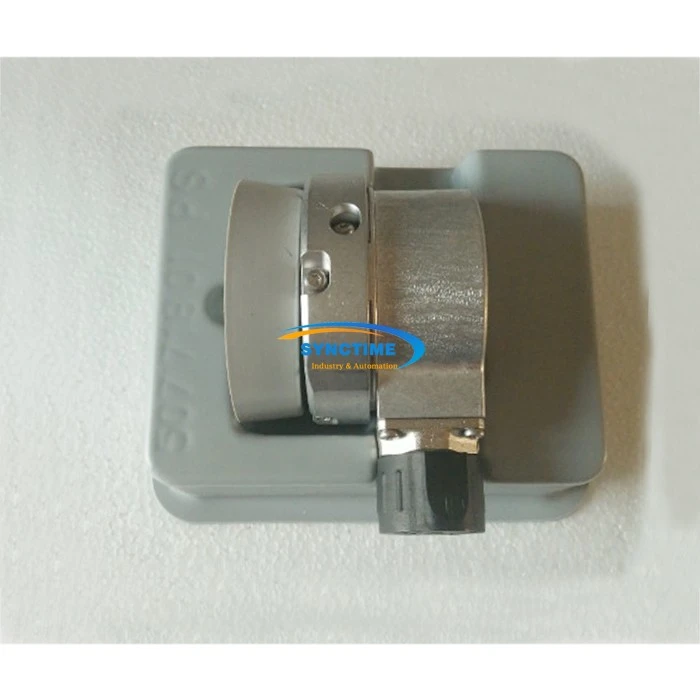
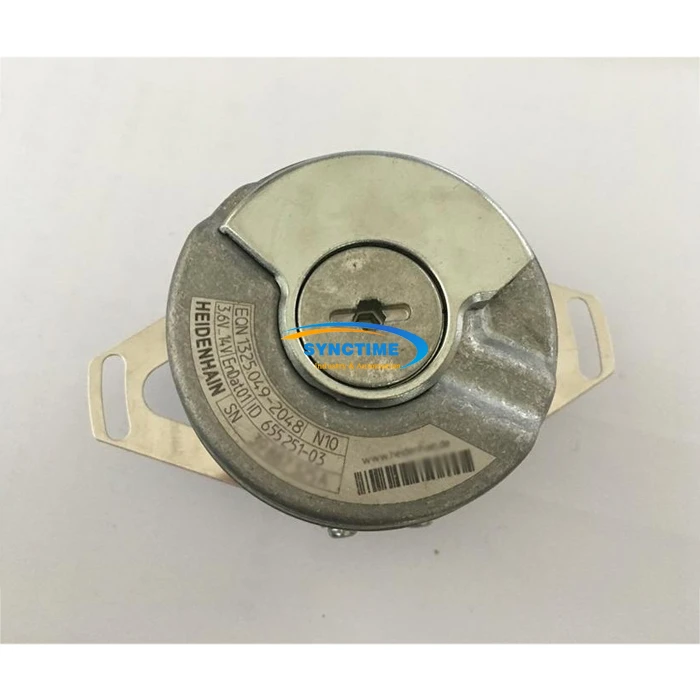
If you are in the market for high-quality encoders or need assistance with encoder selection, installation, or maintenance, please feel free to [contact us] to discuss your specific requirements. We offer a wide range of encoders, including the EQN 1325.049-2048 ID 655251-03 Absolute Rotary Encoder, EQN1325 512 62S12-78 ID 827039-04 Encoder Heidenhain, and 1065932-22 ECN413 2048 Rotary Encoder, to meet the needs of various applications. Our team of experts is available to provide you with technical support and guidance to help you make the right decision for your encoder needs.
References
- "Encoder Handbook," published by Heidenhain Corporation.
- "Motion Control Handbook," published by Parker Hannifin Corporation.
- "Industrial Encoder Technology," published by BEI Sensors.
Send Inquiry