




Which is more commonly used, single - phase or three - phase inverters?
Nov 05, 2025
Leave a message
In the dynamic realm of power conversion, inverters stand as pivotal devices, facilitating the transformation of direct current (DC) into alternating current (AC). As an established inverter supplier, I've witnessed firsthand the diverse needs of industries and consumers when it comes to choosing between single - phase and three - phase inverters. This blog aims to delve into the prevalence of these two types of inverters, exploring their characteristics, applications, and market trends.
Understanding Single - Phase and Three - Phase Inverters
Before we compare their usage frequencies, it's essential to understand what single - phase and three - phase inverters are. A single - phase inverter is designed to produce a single sinusoidal AC output. It typically has two wires (a live and a neutral), and it's commonly used in residential and small - scale commercial applications. The voltage in a single - phase system usually fluctuates between positive and negative peaks, and the power delivery is relatively less consistent compared to a three - phase system.
On the other hand, a three - phase inverter generates three sinusoidal AC outputs that are 120 degrees out of phase with each other. It requires three live wires and sometimes a neutral wire. Three - phase systems offer a more balanced and continuous power supply, making them suitable for larger industrial applications where high - power equipment is used.
Prevalence in Residential Applications
In residential settings, single - phase inverters are by far the most commonly used. The majority of homes around the world are equipped with single - phase electrical systems. This is because the power requirements in a typical household are relatively low, and single - phase inverters can easily meet these needs. For example, household appliances such as refrigerators, televisions, and lighting fixtures operate on single - phase power.
Moreover, the installation and maintenance of single - phase inverters are simpler and more cost - effective for residential use. Homeowners can easily find technicians who are familiar with single - phase systems, and the components are generally more affordable. As a result, single - phase inverters dominate the residential market. For instance, in solar power systems installed in homes, single - phase inverters are the go - to choice for converting the DC power generated by solar panels into usable AC power for household consumption.
Prevalence in Commercial and Industrial Applications
When it comes to commercial and industrial applications, the situation is more complex. Small - scale commercial establishments, such as shops and offices, may still rely on single - phase inverters if their power requirements are not very high. However, as the scale of operations increases, three - phase inverters become the norm.
Large industrial machinery, such as motors, compressors, and pumps, often require a large amount of power and a stable power supply. Three - phase inverters can provide the necessary high - power output and a more consistent voltage, which is crucial for the proper functioning of these machines. Additionally, three - phase systems are more efficient in transmitting power over long distances, reducing energy losses.
In industries like manufacturing, mining, and data centers, three - phase inverters are widely used. For example, in a manufacturing plant, multiple high - power machines need to run simultaneously, and a three - phase inverter can ensure that they all receive the required power without any significant voltage drops.
Market Trends and Future Outlook
In recent years, the demand for both single - phase and three - phase inverters has been on the rise, driven by factors such as the growth of the renewable energy sector and the increasing need for energy - efficient power conversion. The solar power industry, in particular, has been a major contributor to the demand for inverters.
In the residential solar market, single - phase inverters continue to be popular due to the widespread adoption of rooftop solar panels. However, with the increasing size of residential solar installations and the growing trend of home energy storage, there is also a growing interest in more advanced single - phase inverters that can handle higher power levels and integrate with battery systems.
In the commercial and industrial solar market, three - phase inverters are expected to see continued growth. As more businesses look to reduce their energy costs and carbon footprint, they are investing in large - scale solar power systems. These systems require three - phase inverters to efficiently convert the DC power generated by solar panels into AC power for on - site use or grid connection.
Product Offerings
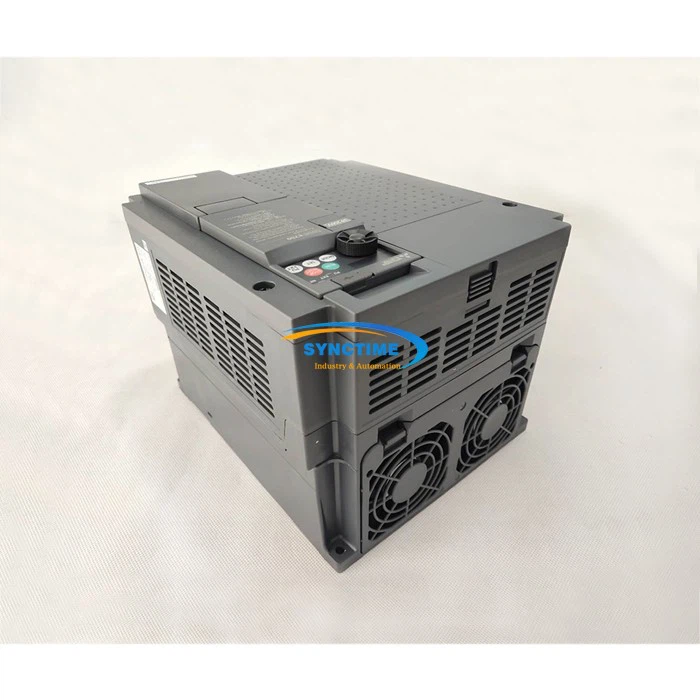
As an inverter supplier, we offer a wide range of single - phase and three - phase inverters to meet the diverse needs of our customers. For example, we have the FR-E720-11K FR-E720-15K Inverter, which is a high - performance single - phase inverter suitable for small - scale applications. It offers excellent energy efficiency and reliable operation.
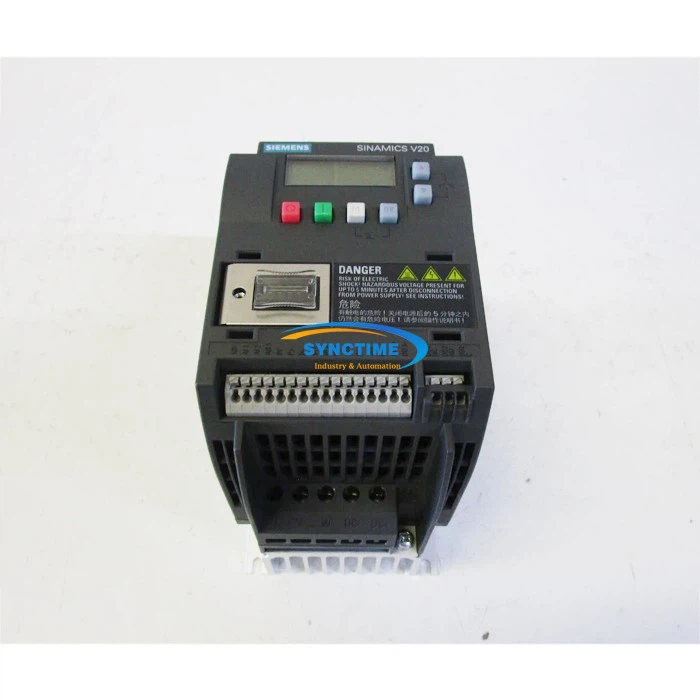
Our three - phase inverter offerings include the 6SL3210-5BE13-7UV0 Inverter 6SL3210-5BE13-7UV1 and the 6SL3210-5BB11-2AV0 Inverter. These inverters are designed for industrial applications, providing high - power output and advanced control features.
Conclusion
In conclusion, the prevalence of single - phase and three - phase inverters depends on the specific application. Single - phase inverters are more commonly used in residential settings due to their simplicity, affordability, and suitability for low - power requirements. In commercial and industrial applications, three - phase inverters are the preferred choice for high - power equipment and large - scale operations.
As an inverter supplier, we understand the unique needs of each customer and are committed to providing the best - suited inverter solutions. Whether you are a homeowner looking to install a solar power system or an industrial manufacturer in need of a high - power inverter, we have the expertise and products to meet your requirements. If you are interested in purchasing inverters or have any questions about our products, please feel free to contact us for a procurement discussion.
References
- "Power Electronics: Converters, Applications, and Design" by Ned Mohan, Tore M. Undeland, and William P. Robbins.
- "Electric Power Systems: A Conceptual Introduction" by Daniel A. Grainger and William D. Stevenson.
- Industry reports from market research firms specializing in power electronics and renewable energy.
Send Inquiry