




Why does my inverter make a noise?
Sep 18, 2025
Leave a message
In the realm of power conversion and industrial applications, inverters play a pivotal role. As an inverter supplier, I've received numerous inquiries from customers regarding an issue that often causes concern: inverter noise. In this blog post, I'll delve into the various reasons why an inverter might make a noise, providing you with a comprehensive understanding of this common problem.
Electrical Noise Sources
Switching Frequency
One of the primary causes of inverter noise is the switching frequency of the power semiconductors within the inverter. Inverters use semiconductor switches, such as insulated-gate bipolar transistors (IGBTs) or metal-oxide-semiconductor field-effect transistors (MOSFETs), to convert DC power to AC power. These switches operate at high frequencies, typically ranging from a few kilohertz to several tens of kilohertz.
When the switches turn on and off rapidly, they generate electrical noise in the form of voltage and current spikes. This noise can propagate through the electrical system and manifest as audible sound. The frequency of the switching can also affect the pitch of the noise. Higher switching frequencies tend to produce higher-pitched noises, while lower frequencies result in lower-pitched sounds.
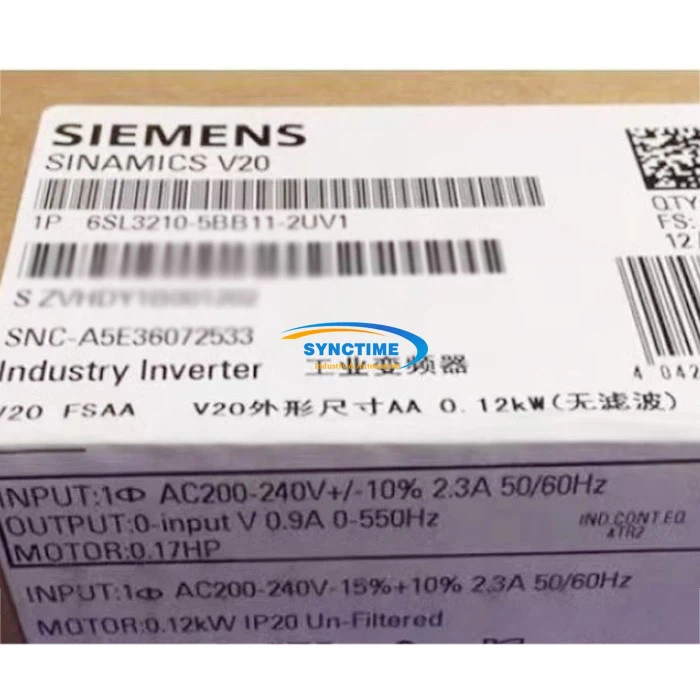
For example, the 6SL3210-5BB11-2UV1 Inverter is designed with a specific switching frequency. If this frequency is not properly optimized or if there are issues with the switching circuitry, it can lead to increased noise levels.
Magnetic Fields
Inverters contain transformers and inductors, which are essential for voltage regulation and power conversion. These components generate magnetic fields when current flows through them. If the magnetic fields are not properly shielded or if there are loose or vibrating components, they can cause mechanical vibrations that produce noise.
The magnetic fields can interact with nearby metal objects, causing them to vibrate and emit sound. Additionally, the magnetic forces can cause the transformer or inductor cores to expand and contract, leading to audible humming or buzzing sounds.
Mechanical Noise Sources
Cooling Fans
Most inverters are equipped with cooling fans to dissipate heat generated during operation. These fans can be a significant source of noise, especially if they are running at high speeds or if there are issues with the fan blades or bearings.
Over time, the fan blades can accumulate dust and debris, which can cause imbalances and increase the noise level. Worn-out bearings can also produce a squealing or grinding noise. Regular maintenance, such as cleaning the fan blades and lubricating the bearings, can help reduce fan noise.
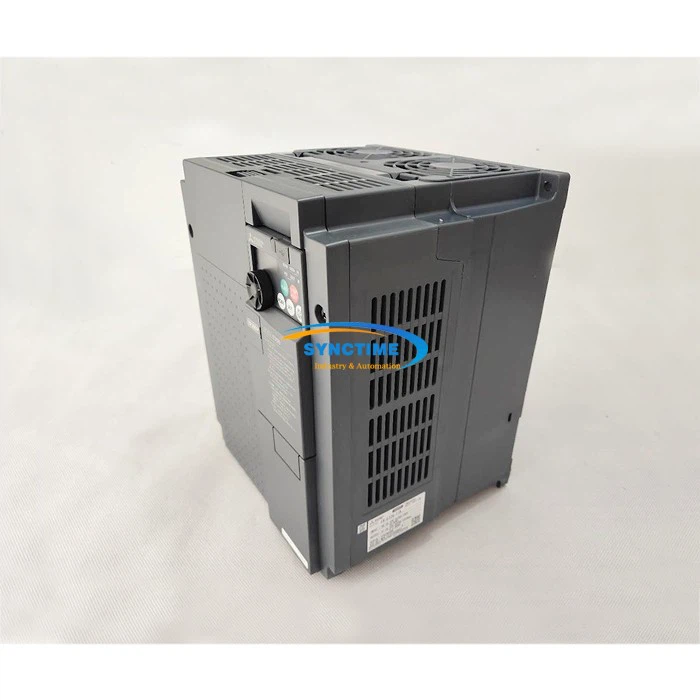
For instance, the FR-E720-11K FR-E720-15K Inverter comes with a cooling fan. If the fan is not functioning properly, it can contribute to the overall noise output of the inverter.
Vibrations
Inverters can experience mechanical vibrations due to various factors, such as uneven mounting, loose components, or external vibrations from nearby equipment. These vibrations can cause the inverter housing or internal components to rattle, producing noise.
It's important to ensure that the inverter is properly mounted on a stable surface and that all screws and bolts are tightened securely. Isolating the inverter from other vibrating equipment using vibration dampeners can also help reduce noise transmission.
Environmental Factors
Temperature
Extreme temperatures can affect the performance of an inverter and contribute to noise generation. At high temperatures, the electrical components within the inverter can become more prone to overheating, which can lead to increased noise levels.
On the other hand, low temperatures can cause the materials in the inverter to contract, potentially leading to loose connections or mechanical stress. This can also result in noise production. Maintaining the inverter within its recommended operating temperature range is crucial for minimizing noise.
Humidity
High humidity levels can cause corrosion and moisture buildup within the inverter, which can affect the electrical and mechanical components. Corroded contacts can lead to poor electrical connections, resulting in increased electrical noise. Moisture can also cause the insulation on the wires to degrade, leading to electrical leakage and noise.
Troubleshooting and Solutions
Electrical Noise
To reduce electrical noise, you can use filtering techniques. Installing electromagnetic interference (EMI) filters can help suppress the high-frequency noise generated by the switching components. These filters are designed to block unwanted electrical signals and allow only the desired frequencies to pass through.
Another solution is to optimize the switching frequency of the inverter. Some inverters allow you to adjust the switching frequency within a certain range. By finding the optimal frequency, you can minimize the noise while maintaining the inverter's performance.
Mechanical Noise
For mechanical noise issues related to cooling fans, you can clean the fan blades and replace worn-out bearings. If the fan noise persists, you may need to replace the entire fan assembly.
To address vibrations, check the mounting of the inverter and ensure that it is secure. You can also add vibration dampeners or rubber pads to isolate the inverter from the mounting surface.
Conclusion
In conclusion, there are several reasons why an inverter might make a noise, including electrical noise from switching components and magnetic fields, mechanical noise from cooling fans and vibrations, and environmental factors such as temperature and humidity. By understanding these causes, you can take appropriate measures to troubleshoot and reduce the noise levels of your inverter.
As an inverter supplier, I'm committed to providing high-quality products and excellent customer service. If you're experiencing issues with inverter noise or if you're looking for a reliable inverter for your application, I encourage you to reach out to me for more information and to discuss your specific requirements. We can work together to find the best solution for your needs.
References
- "Power Electronics: Converters, Applications, and Design" by Ned Mohan, Tore M. Undeland, and William P. Robbins
- "Electrical Engineering Handbook" edited by Richard C. Dorf
Send Inquiry