




Why is my inverter not working?
Nov 14, 2025
Leave a message
Why is my inverter not working?
As a seasoned inverter supplier, I've encountered numerous customers facing the frustrating issue of a non - functioning inverter. In this blog, I'll delve into the common reasons behind inverter malfunctions and offer some solutions.
1. Power Supply Issues
One of the most basic and frequent causes of inverter failure is problems with the power supply. An inverter needs a stable and appropriate power source to operate correctly.
First, check if the input power is within the specified voltage and frequency range. For example, some inverters are designed to work with a specific AC input voltage, say 220V - 240V. If the actual input voltage is too high or too low, it can cause the inverter to shut down or malfunction. Fluctuations in the power grid can also damage the inverter's internal components over time.
Another aspect is the connection. Loose or corroded power cables can lead to intermittent power supply or poor electrical contact. Inspect the cables for any signs of wear and tear, and make sure they are tightly connected to both the power source and the inverter. If you find any damaged cables, replace them immediately.
2. Overloading
Overloading is a common culprit when an inverter stops working. Every inverter has a rated power capacity, which indicates the maximum amount of electrical load it can handle. If you connect too many devices or high - power appliances to the inverter simultaneously, it will exceed its capacity.
For instance, if you have a small inverter with a rated power of 500W and you try to run a 1000W air conditioner, the inverter will likely shut down to protect itself from damage. To avoid overloading, calculate the total power consumption of all the devices you plan to connect to the inverter. You can find the power rating of each device on its nameplate. Make sure the total power is well below the inverter's rated capacity.
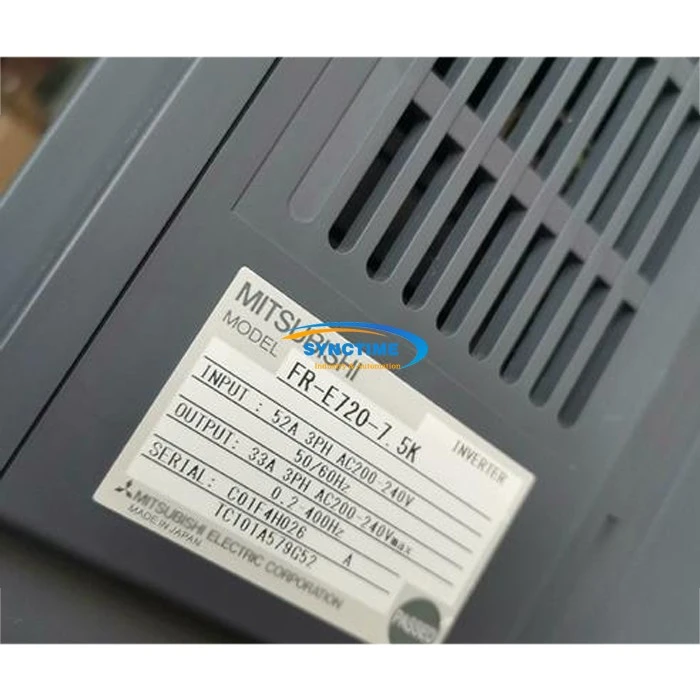
If you need to power high - power devices, consider upgrading to a more powerful inverter. We offer a range of inverters with different power ratings, such as the FR - E720 - 2.2K Inverter 3PH 2.2KW, which is suitable for medium - sized electrical loads, and the FR - E720 - 5.5K FR - E720 - 7.5K Inverter, designed for heavier loads.
3. Temperature Problems
Inverters generate heat during operation, and excessive heat can cause them to malfunction. High ambient temperatures, poor ventilation, or blocked cooling fans can all lead to overheating.
Most inverters are equipped with a thermal protection mechanism. When the internal temperature reaches a certain threshold, the inverter will automatically shut down to prevent damage. To ensure proper cooling, make sure the inverter is installed in a well - ventilated area. Avoid placing it in enclosed spaces or near other heat - generating equipment.
Regularly clean the cooling fans and vents to remove dust and debris, which can block the airflow. If the cooling fans are not working properly, they may need to be replaced.
4. Faulty Components
Internal component failure is another reason for inverter malfunction. Capacitors, transistors, and printed circuit boards are some of the critical components that can fail over time.
Capacitors can lose their capacitance due to aging or overheating, which can affect the inverter's performance. Transistors may short - circuit or open - circuit, causing the inverter to stop working. Printed circuit boards can develop cracks or have soldering issues, leading to electrical problems.
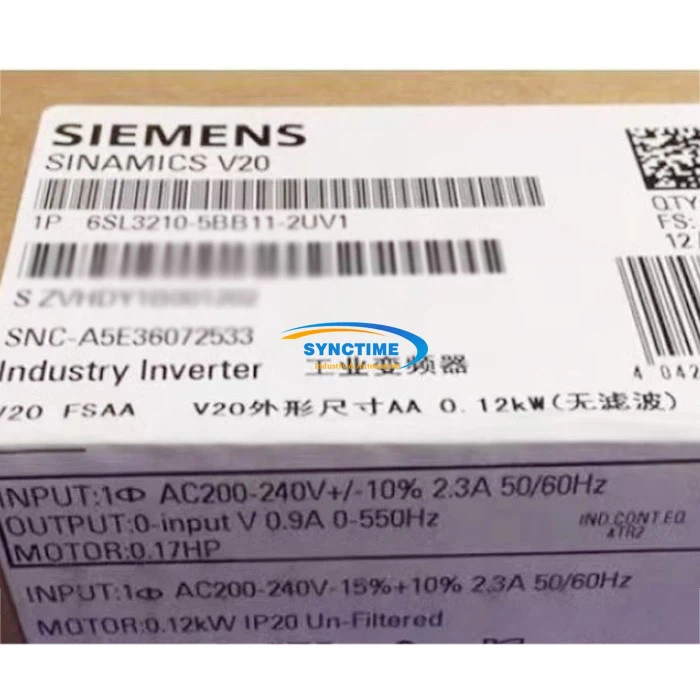
Diagnosing component failure usually requires professional skills and specialized equipment. If you suspect a component failure, it's best to contact a qualified technician or send the inverter to a repair center. However, we also offer replacement parts for some of our inverters, such as the 6SL3210 - 5BB11 - 2UV1 Inverter, to help you get your inverter up and running again.
5. Software or Firmware Issues
Modern inverters often come with built - in software or firmware that controls their operation. Software glitches or outdated firmware can cause the inverter to malfunction.
Sometimes, a simple reset can solve software - related problems. Refer to the inverter's user manual for instructions on how to perform a reset. In some cases, you may need to update the firmware to the latest version. This can improve the inverter's performance and fix any known bugs.
6. Environmental Factors
Environmental factors such as moisture, dust, and vibration can also affect the inverter's operation. Moisture can cause corrosion of the internal components, while dust can accumulate on the circuit boards and affect the electrical conductivity.
Vibration can loosen the internal connections and damage the components over time. If the inverter is installed in a harsh environment, consider using protective enclosures or vibration - dampening mounts.
Troubleshooting Steps
If your inverter is not working, here are some steps you can take:
- Check the power supply: Ensure that the power source is on and the cables are properly connected.
- Inspect the load: Make sure you are not overloading the inverter.
- Check the temperature: Feel the inverter to see if it's overheating. Check the cooling fans and vents.
- Look for visible damage: Inspect the inverter for any signs of physical damage, such as cracks or burnt components.
- Reset the inverter: Try resetting the inverter according to the user manual.
If these steps do not solve the problem, it's advisable to seek professional help.
As an inverter supplier, we understand the importance of having a reliable inverter. We offer a wide range of high - quality inverters with different specifications to meet your various needs. Whether you need a small inverter for home use or a large - scale industrial inverter, we have the right product for you.
If you are experiencing issues with your inverter or are interested in purchasing a new one, we invite you to contact us for a detailed discussion. Our team of experts is ready to assist you in finding the best solution for your power requirements.
References
- Inverter User Manuals
- Electrical Engineering Textbooks on Power Electronics
Send Inquiry