




Logistics Characteristics And Industry Challenges Of Industrial Electronic Parts
Jul 02, 2025
Leave a message
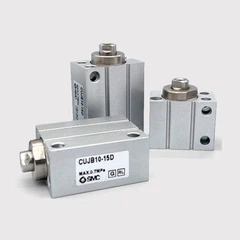
As a core component of modern manufacturing, the logistics of industrial electronic parts directly impacts production efficiency and supply chain stability. These products are typically high-precision, high-value, and fragile, placing specialized demands on logistics services.
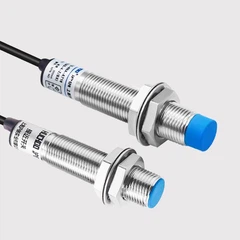
From a transportation perspective, industrial electronic parts are extremely sensitive to environmental control. Many precision components, such as sensors and chip modules, must be strictly protected from vibration, moisture, and temperature fluctuations during transportation. Therefore, constant temperature and humidity storage, anti-static packaging, and specialized, shock-resistant transport equipment are key elements of logistics solutions. Some high-value-added parts also require a full traceability system to ensure real-time monitoring of the logistics status of each product.
Timeliness is another key requirement. On industrial production lines, parts shortages can bring entire lines to a halt. Therefore, logistics service providers must offer flexible delivery solutions, including emergency air freight and intra-city instant delivery. Furthermore, within the context of a global supply chain, customs clearance efficiency and compliance in cross-border logistics pose significant challenges, requiring coordination of diverse regulations across multiple countries and optimization of customs clearance processes.
When it comes to inventory management, industrial electronic parts face a significant "long tail" effect: a few key models enjoy high-frequency demand, while demand for a large number of specialized models is dispersed. This requires a logistics system that combines centralized warehousing with distributed stocking capabilities, leveraging big data to predict demand distribution and balance inventory costs with responsiveness.
To address these challenges, the industry is accelerating its transformation toward intelligent manufacturing. The application of IoT technology enables visualization of transportation environment parameters, while blockchain enhances supply chain transparency. In the future, as Industry 4.0 deepens, logistics services will become more deeply embedded in production systems, becoming a strategic component in ensuring the competitiveness of the manufacturing industry.
Send Inquiry