




Characteristics Of Industrial Control Components And Their Critical Role in Modern Manufacturing
Jul 08, 2025
Leave a message

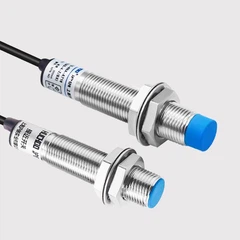
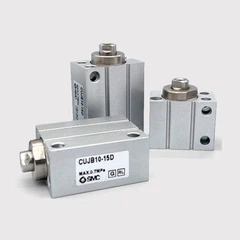
Industrial control components are core components of modern automated production systems, and their performance directly impacts production efficiency, product quality, and system stability. As the manufacturing industry evolves towards intelligent and digitalization, the technical level and functional characteristics of industrial control components are constantly improving to meet increasingly complex industrial demands.
First, industrial control components must be highly reliable and durable. These components must maintain long-term stable operation in harsh industrial environments, such as those characterized by high temperature, high humidity, and strong electromagnetic interference. Therefore, they typically utilize high-quality materials and advanced manufacturing processes to ensure reliable operation even in these extreme conditions. Furthermore, many industrial control components incorporate redundant designs to reduce the risk of failure and enhance overall system stability.
Second, precise control capabilities are a key characteristic of industrial control components. Whether it's a PLC (programmable logic controller), sensor, or servo drive, they all require high-precision signal processing and control capabilities to ensure accurate production processes. For example, in automated assembly lines, minute errors can lead to product defects. High-precision control components can effectively mitigate these issues, improving product consistency and yield.
Furthermore, industrial control components generally offer excellent compatibility and scalability. Modern industrial systems often consist of devices from multiple manufacturers, so control components must support multiple communication protocols, such as Modbus, Profibus, and Ethernet/IP, to ensure seamless interoperability between these devices. Furthermore, with the advancement of Industry 4.0, more and more control components support remote monitoring and data collection, enabling production managers to obtain real-time information on equipment operating status and optimize production processes.
Finally, the trend toward intelligent industrial control components is becoming increasingly evident. By integrating AI algorithms and data analysis, modern control components can predict equipment failures, optimize energy consumption, and improve overall production line efficiency. This intelligence not only reduces maintenance costs but also enhances the flexibility and adaptability of production systems.
In short, industrial control components, with their reliability, precision, compatibility, and intelligence, have become an indispensable key technology in modern manufacturing. With continued technological advancement, these components will continue to drive industrial automation to new levels.
Send Inquiry