




Industrial Control Component Structure Analysis
Jul 09, 2025
Leave a message
Industrial control components are core components of modern automated production systems, and their construction directly impacts the stability, accuracy, and lifespan of the equipment. Understanding the basic structure of these components can help optimize production processes and improve the overall performance of industrial equipment.
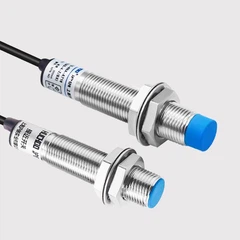
Industrial control components primarily consist of four major components: input modules, processing units, output modules, and communication interfaces. Input modules, including sensors, switches, and buttons, are responsible for acquiring external signals. They convert physical quantities (such as temperature, pressure, and position) into electrical signals for analysis by the control system. Input module design typically prioritizes interference immunity to ensure accurate data acquisition in complex industrial environments.
The processing unit, the core of an industrial control component, typically consists of a microprocessor or programmable logic controller (PLC). It receives input signals, performs logical operations according to pre-programmed procedures, and makes corresponding control decisions. The performance of the processing unit directly impacts the system's response speed and computing power, so it typically utilizes high-reliability chips and features heat dissipation designs to ensure long-term stable operation.
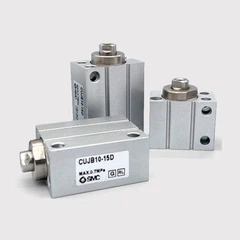
The output module converts the processing unit's instructions into actual actions, such as driving a motor, controlling a valve, or activating an indicator light. The construction of output modules must consider load capacity to ensure they can safely drive various actuators. Furthermore, output modules typically include overload protection to prevent damage to the device due to abnormal conditions.
Communication interfaces are critical for industrial control components to interact with external systems, including both wired and wireless communication methods. Common communication protocols such as Modbus, Profibus, and Ethernet/IP ensure smooth data exchange between different devices. Modern industrial control components are increasingly focused on networked designs to support remote monitoring and intelligent management.
The construction of industrial control components integrates mechanical, electronic, and software technologies, and their reliability directly impacts the efficiency and safety of industrial production. With the advancement of Industry 4.0, control components are becoming more intelligent and modular to meet the demands of future smart manufacturing. Understanding these construction principles can help companies select the most appropriate control solutions and enhance their competitiveness.
Send Inquiry