




Key Performance Factors And Development Trends Of Industrial Control Components
Jun 03, 2025
Leave a message
In modern industrial automation systems, the performance of industrial control components directly impacts the efficiency, stability, and reliability of production lines. Whether it's sensors, actuators, or controllers, their performance determines the overall system's operational quality. Therefore, a deep understanding of the key performance indicators of industrial control components and a focus on their technological development trends are crucial for manufacturing companies.
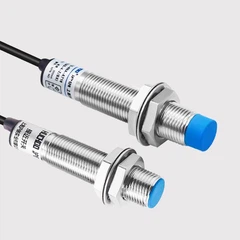
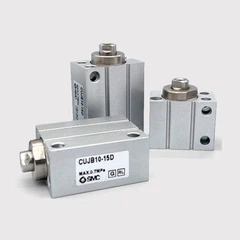
First, the accuracy of industrial control components is one of their core performance characteristics. The accuracy of sensors and measuring equipment directly impacts the reliability of data acquisition, which in turn affects the accuracy of control system decisions. For example, in automated assembly lines, high-precision position sensors ensure precise positioning of components, reduce errors, and improve product quality. Furthermore, the response speed and control accuracy of actuators are equally critical. Fast and stable operation can improve overall production line efficiency.
Second, reliability and durability are crucial performance indicators for industrial control components. Control components must maintain long-term stable operation in harsh industrial environments, such as those characterized by high temperature, high humidity, and strong electromagnetic interference. Highly reliable components reduce downtime and maintenance costs, thereby improving production efficiency. Therefore, the use of high-quality materials, optimized structural design, and rigorous testing processes are key to ensuring component reliability.
In addition, compatibility and scalability are also important performance requirements for modern industrial control components. With the development of Industry 4.0 and the Internet of Things (IoT), control components must be able to seamlessly integrate into various automation systems and support data communication and remote monitoring. Modular design allows components to flexibly adapt to different application scenarios, facilitating system upgrades and functional expansion.
In the future, industrial control components will develop towards intelligence, low energy consumption, and high integration. Intelligent control components can autonomously optimize operating parameters and improve energy efficiency; low energy consumption designs help reduce production costs and environmental impact; and high integration allows for more compact systems, reducing space requirements.
In short, optimizing the performance of industrial control components is key to enhancing the competitiveness of the manufacturing industry. Companies should focus on component accuracy, reliability, and compatibility, and keep pace with intelligent trends to ensure efficient and stable operation of production systems.
Send Inquiry