




Pneumatic Fluid Control Components Industry Trend Analysis
Jun 23, 2025
Leave a message
As core components in industrial automation and process control, pneumatic fluid control components have shown significant growth in recent years, driven by both technological innovation and market demand. As global manufacturing shifts toward intelligent and efficient manufacturing, the industry is ushering in a new round of transformation.
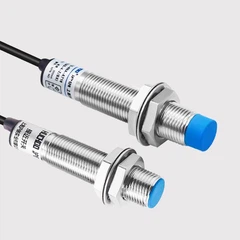
First, intelligence and digitalization have become core trends in the industry's development. By integrating sensors, the Internet of Things (IoT), and data analytics, modern pneumatic fluid control components enable real-time monitoring, predictive maintenance, and remote control, significantly improving system reliability and production efficiency. For example, smart valves and pneumatic actuators can optimize operating parameters through cloud platforms, reducing energy consumption and downtime.
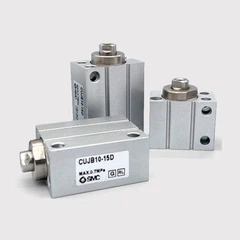
Second, the demand for energy conservation and environmental protection is driving technological innovation. Strict global regulations on carbon emissions and energy efficiency are prompting companies to develop low-power, high-response pneumatic components. For example, cylinders and proportional valves that utilize lightweight materials and low-friction designs can significantly reduce compressed air consumption, aligning with the trend toward green manufacturing.
Furthermore, emerging markets offer significant growth potential. The expansion of the manufacturing industry in the Asia-Pacific region, particularly demand from the automotive, electronics, and food processing sectors, has driven market growth for pneumatic and fluid control components. At the same time, domestic substitution is accelerating, with domestic companies gradually breaking the monopoly of foreign manufacturers in high-end products and seizing market share through their cost-effectiveness.
In the future, as Industry 4.0 deepens, pneumatic and fluid control components will place greater emphasis on customized services and system integration capabilities to meet the demands for precise control in complex operating conditions. The industry's competitive landscape will also shift from supplying single products to offering comprehensive solutions, driving the industry chain's expansion into higher-value-added segments.
Send Inquiry