




Historical Background Of Automation Components
Jun 21, 2025
Leave a message
The development of automation components is a significant milestone in the advancement of human industrial civilization, with its history dating back to the Industrial Revolution of the 18th century. With the invention of the steam engine and the rise of mechanized production, early automation components primarily relied on mechanical transmission devices, such as cams, gears, and lever systems. These components achieved simple, repetitive movements through pre-set mechanical structures, laying the foundation for subsequent automation technology.
Between the late 19th and early 20th centuries, breakthroughs in electrical technology drove innovation in automation components. The emergence of electrical control elements such as relays, contactors, and solenoid valves enabled more precise control of machines using electrical signals. During this period, Ford Motor Company introduced the assembly line production model, further promoting the application of automation components in industry and improving production efficiency and consistency.
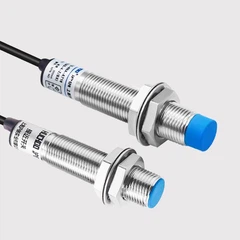
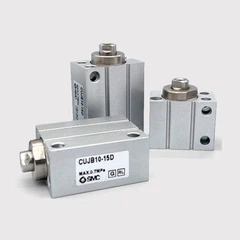
In the mid-20th century, with the rapid development of electronics and computer science, automation components entered a new era. The advent of programmable logic controllers (PLCs) made industrial control more flexible and intelligent. The widespread use of precision components such as sensors, servo motors, and pneumatic components significantly improved the reliability and adaptability of automation systems. After the 1970s, the widespread adoption of microprocessors further promoted the miniaturization and functional integration of automation components, laying the technological foundation for modern industrial automation.
In the 21st century, with the rise of the Internet of Things, artificial intelligence, and Industry 4.0, automation components are becoming increasingly intelligent, networked, and modular. Emerging technologies such as smart sensors, collaborative robots, and adaptive control systems enable automation components to not only perform preset tasks but also optimize production processes through data analysis and learning. From early mechanical transmission to today's intelligent control, the historical evolution of automation components profoundly reflects humanity's relentless pursuit of efficiency, precision, and intelligence.
Send Inquiry